
A Block View of Chino Neighbors
The public block record is a mix of geography, parcel context, project history, and community information. The city and county maps reveal which parcels touch the subject address. The assessor may show assessment fields and an APN. A permit can show a project and responsible professional. A public association or chamber page can show an officer or contact channel. None of those is an all-neighbor roster.
| Source | What it shows about a block | Access |
|---|---|---|
| Chino Land Use Viewer | Parcel arrangement, streets, land-use or specific-plan geography | Free map browse, address or APN search |
| County Parcel Access | APN, situs, geometry, characteristics, value context | Free map; personal fields restricted |
| Recorder index | Named parties to recorded instruments after a party clue is known | 1925-present metadata; images ordered or at counter |
| Chino permits | Project address, applicant, contractor, status, inspections | Accela or CPRA request |
| Community contacts | Public officers, meetings, business or organization contact details | Voluntary public pages; rosters usually private |
| Voter data | Aggregate counts or controlled address-oriented products | Restricted purpose and application |
The table keeps block research grounded. A map shows adjacency. A recorded party shows a transaction role. A public contact shows a published role. These are not interchangeable names.
Click the Parcels Around a Chino Address
The Chino Land Use Viewer documents search by address or APN, map clicking, street and aerial basemaps, share, print, and help controls. It does not document a radius or buffer tool. A neighbor lookup should use visible parcel adjacency rather than inventing a distance function.
- Search the subject address or APN and center the map on the parcel.
- Switch basemaps, zoom until parcel boundaries are clear, and click each adjacent polygon.
- Record the APN, situs, map date, land-use label, and any visible street or tract clue.
- Check each APN in County Parcel Access for assessment context without assuming the assessed owner lives there.
- Use a permit, recorder result, or public community contact only when the separate source supports the next statement.
The county parcel screenshot used in this block method is linked through County Parcel Access.
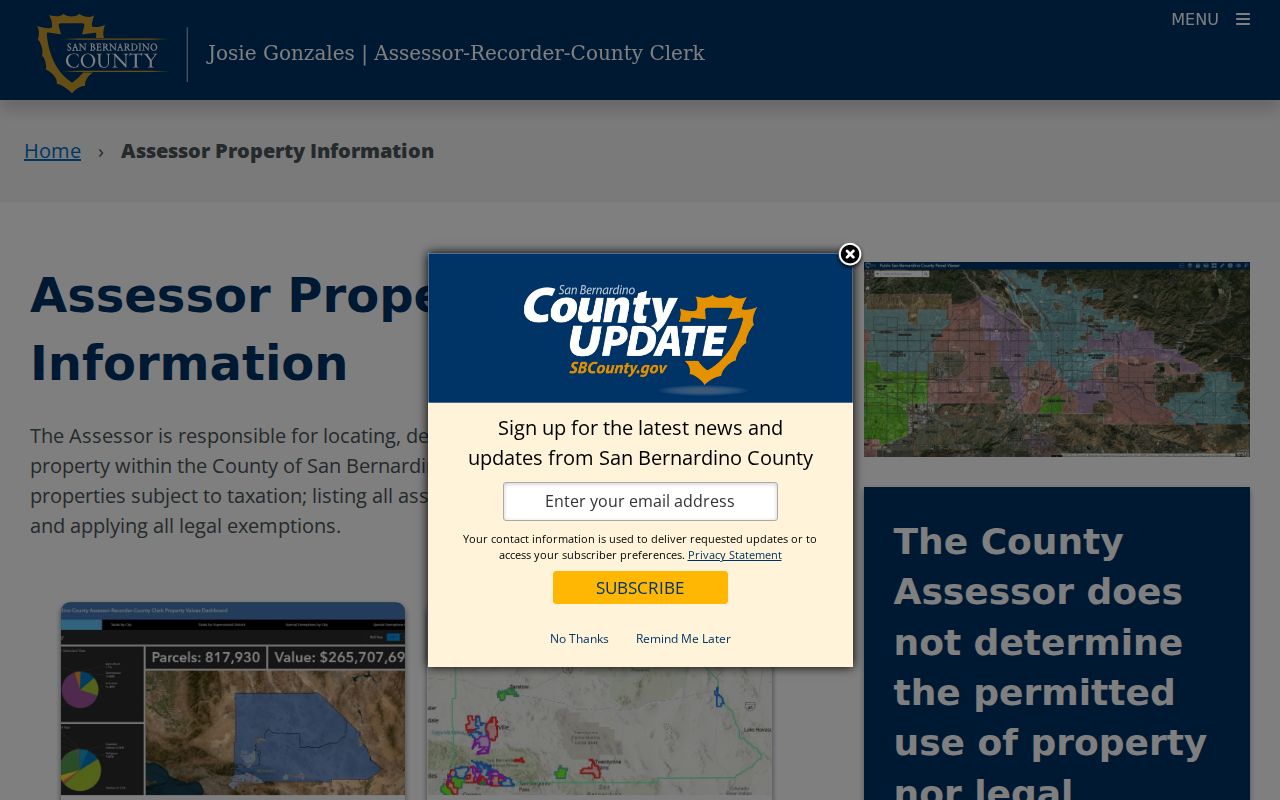
The map layer shows why the first useful neighbor result is often an APN and polygon, not a person's name.
Why the Chino Viewer Has No Radius Tool
The city map page documents a magnifying-glass search, street or aerial basemap, share controls, PDF printing, and help. The research does not document a radius, buffer, or automated neighbor-list feature. A careful block page should therefore describe clicked adjacent parcels and a saved map extent, not promise a generated list.
Record the date and map settings. A visible parcel can be split, merged, or reconfigured later. A road, alley, drainage line, or planning boundary may affect what “next door” means. The county map can add APN and assessment context, but it does not turn the city viewer into a title system.
For a full named-street chain, use the Chino street directory. The neighbor angle stays with the immediate block and the geography around one address.
Chino Owners, Mailing Contacts, and Neighbors
Three statements often get blended in a casual neighbor search. A recorded grantee is a named party to an instrument at a recording date. An assessor result describes an assessment relationship and may include a situs or mailing field subject to statutory protection. A neighbor is a person whose home or daily life is near the subject address. The public record may support one statement but not the others.
- Situs
- The physical property location assessed by the county.
- Mailing address
- Where notices or tax bills are sent; it may differ from the situs.
- Recorded party
- A grantor, grantee, lienholder, or other named participant in a recorded instrument.
- Occupant
- A person present or living at a property, a fact that public parcel data may not establish.
The assessor warns that assessment data are not a legal title determination. The recorder index does not search ownership by street address. The right wording is “parcel associated with,” “recorded party,” or “public contact,” unless a source directly supports something narrower.
Chino's Official Community Names
Chino's communities-of-interest map identifies Downtown Chino, Park East, College Park, The Preserve, the agricultural community north of SR-60, and numbered voting districts. These names help a researcher choose a map, planning file, community notice, or local-history source. They are geographic vocabulary, not member lists.
The older core can intersect early Sanborn sheets, regional directories, newspapers, and older deed books. The southeastern planned areas can add tract maps, permits, and community-facility or association documents. A ZIP code can organize a mailing question, while the city map and APN keep the block question spatial.
Do not infer a person's identity, household, language, or affiliation from a community name. Use the published source and its date.
Chino Public Association Contacts
Public neighborhood and community information is useful when it names an officer, meeting channel, or public contact. Chino's communities can also be connected to civic groups, neighborhood-watch information, congregations, and the Chamber. A voluntary directory is not an official residents roll. Membership lists and internal rosters generally remain private unless the organization chooses to publish them.
The Chino Valley Chamber directory accepts keyword, category, and alphabetical browsing. Its results identify public organization or business contacts, street or mailing address, and phone. Use it to verify a public business contact, then check SOS or FBN records when a formal entity fact matters.
The captured community-directory source is the Chino Valley Chamber directory.
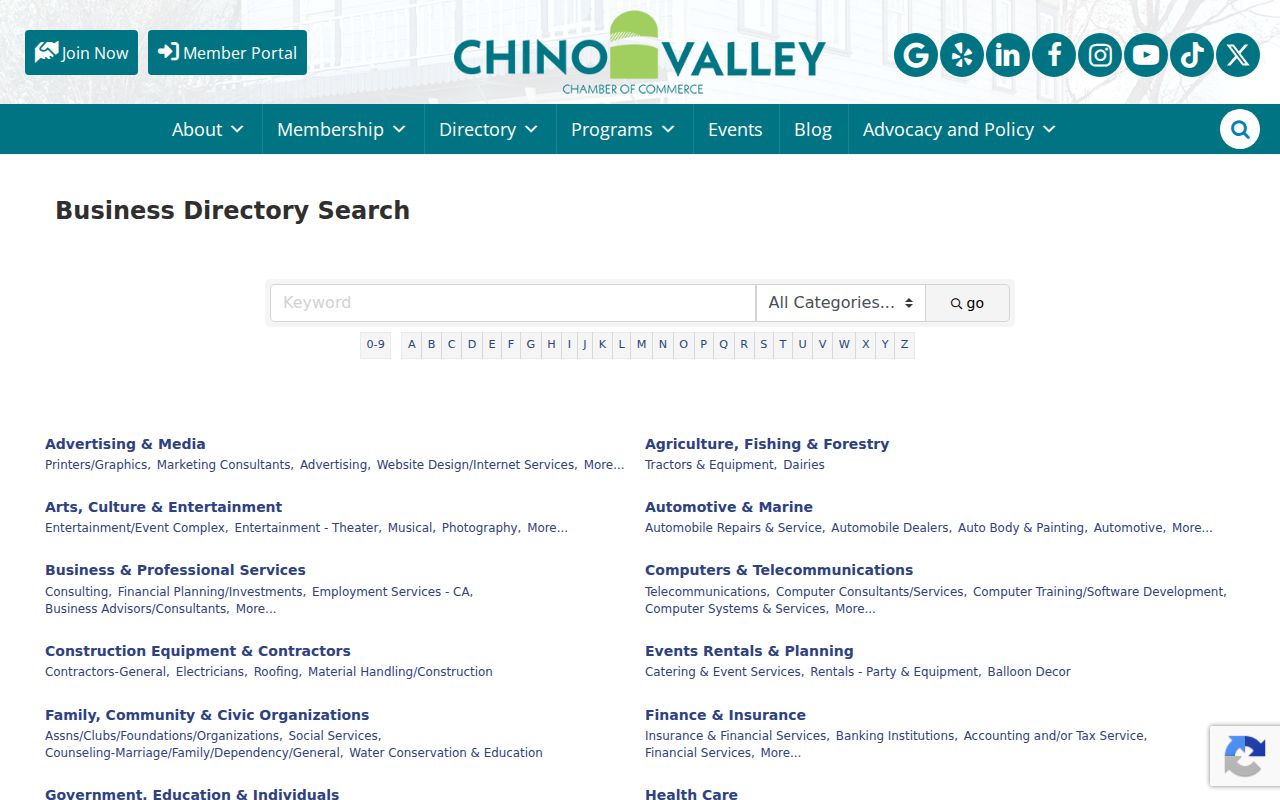
A voluntary member directory can support a public-contact lead without becoming a list of private households.
Chino Permit Changes by Block
Chino Accela and Development Services can add a project layer to a block. Address, parcel, record number, license, date, and status modes vary by module. A public result may show permit type, project address, applicant, contractor, issue or status, and inspections. A code case can have active-investigation or complainant-privacy limits.
Search the Chino Accela portal first. If a permit or plan is not visible, submit a focused NextRequest with the address, APN, department, and date range. The city says permit copies can be requested; project plans may be viewed in person, and participant account access can differ.
The permit source captured for this block-record topic is the Chino Accela portal.
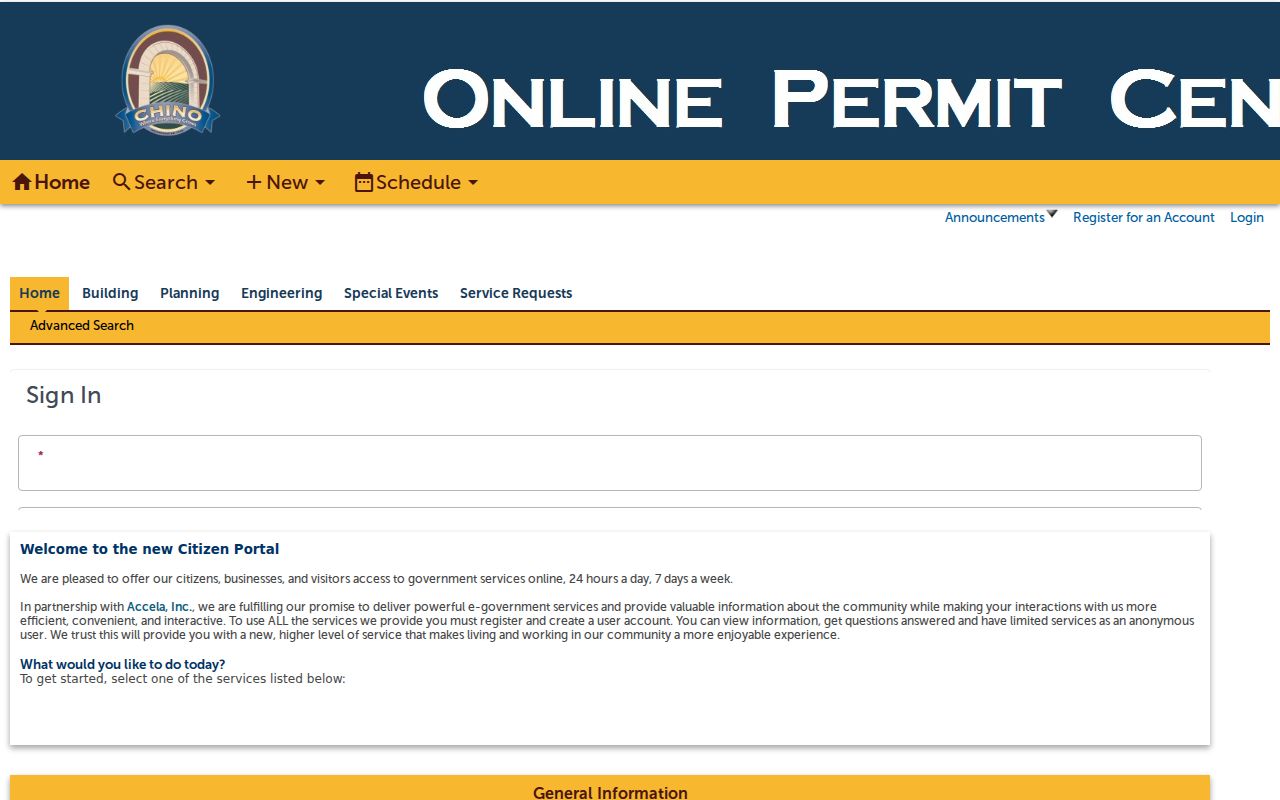
A project record can explain construction or change near a neighbor without listing every person at the address.
Chino Voter Rules Block Enumeration
California My Voter Status authenticates the requester and returns that person's status. It does not search a Chino block. Elections Code §2194 limits voter-file access to election, scholarly, journalistic, political, or governmental purposes. San Bernardino County requires an application, identity verification, permitted-purpose statement, and wet signature for voter-file products.
Government Code §7924.000 keeps home address, phone, email, precinct identifiers, prior registration, identification numbers, and signatures confidential except through the controlled regime. Aggregate weekly registration reports can give jurisdiction context. They cannot name the neighbors around a parcel.
A legal voter-file request with geographic scope is not the same as an open lookup. The county elections office can explain the current application, delivery, and fee sheet.
The county voter-records rule source captured below is the San Bernardino County voter-records page.
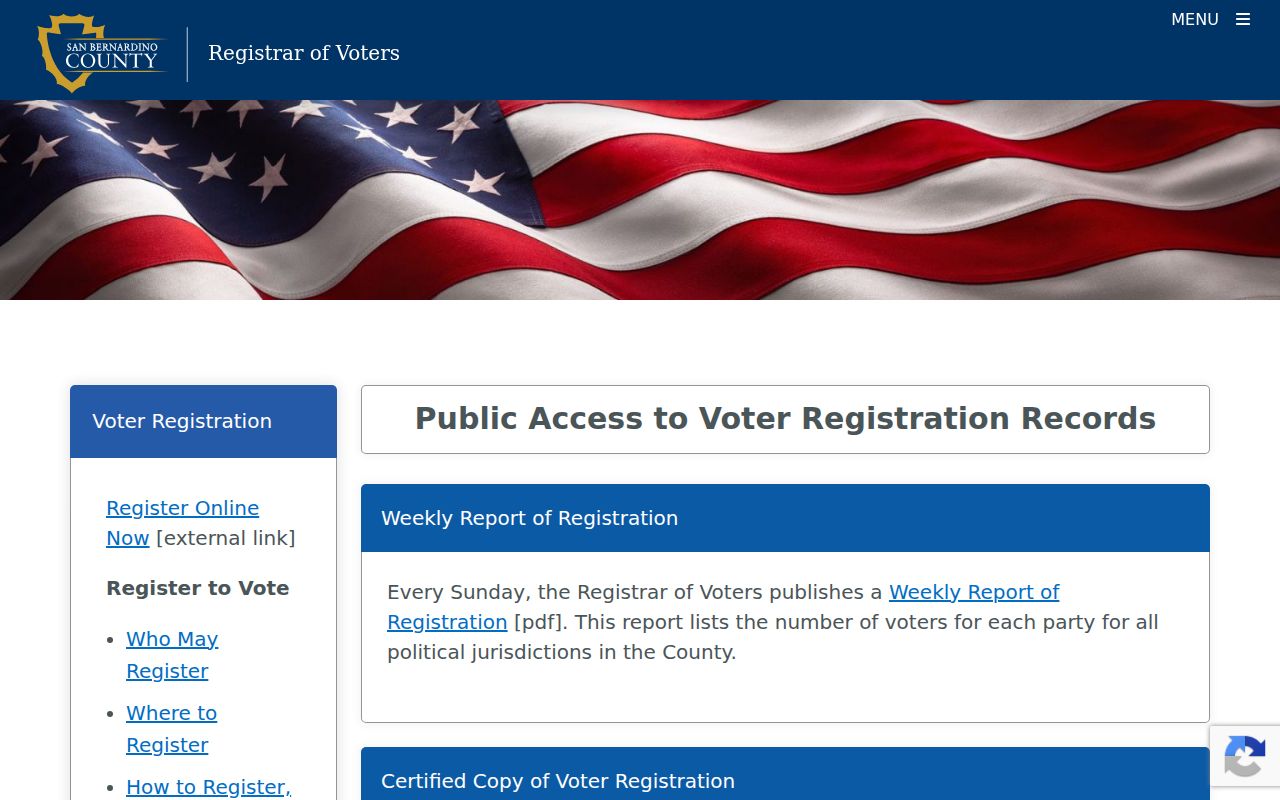
Confidential voter fields are why map adjacency must not be turned into a casual person list.
Chino Official Rolls Versus Commercial Tools
Official records and commercial data compilations serve different roles. An official source identifies its custodian, field set, coverage, and correction route. A commercial tool may combine public and purchased data, lag behind a move, merge similar names, or charge for uncertain details. Neither category is a permission slip to expose private household information.
| Question | Official route | Commercial compilation |
|---|---|---|
| What is the parcel? | Chino map and County Parcel Access | May repeat an old address or APN |
| Who is a recorded party? | County Recorder index and ordered image | May omit the instrument or merge names |
| Is there a public affiliation? | SOS, DCA, ABC, FBN, or public organization page | May not show the source date or field origin |
| What is lawful to use? | Custodian rules, statutes, and stated purpose | Terms do not override California law |
Use a compilation only as a lead, then return to the originating custodian. A map, deed, permit, or public officer page should be cited for the exact fact.
Chino Safe at Home and Missing Parcels
California's Safe at Home program provides eligible participants a substitute mailing address, mail forwarding, service-of-process agent, and confidential voter registration. It does not erase old public records, but it can make a current address a lawful dead end. The Secretary of State program explains eligibility and substitute-address rules.
Old records can also be missing because a person is not a property owner, a directory omitted the household, a voter record is controlled, a court file is sealed, or a city record is exempt or redacted. A negative result should lead to a documented fallback, not a more aggressive search.
Privacy protections are part of the block's meaning. The neighbor who is not visible may be protected, private, or simply outside the record set.
Privacy Limits on a Chino Neighbor Lookup
Neighbors research is appropriate for knowing a block's geography, reconnecting, civic awareness, family history, and property curiosity. It cannot turn parcel maps into a household roster. Renters, relatives, visitors, utility customers, DMV records, private association members, and protected residents may not appear. A public address result does not grant permission to follow or contact someone in a threatening way.
Use a dated map and narrow source statement. Say “adjacent APN,” “public permit contact,” “recorded party,” or “published organization officer” when that is what the source supports. Stop where California privacy, court, voter, or Safe at Home rules stop.
Note: A reliable neighbor result describes the block first and leaves unsupported household claims out.