
The Record Sets Behind a Chino Lookup
A name is only a starting key. The record that answers the question may be held by the county, city, court, state board, library, or archive. The access row matters as much as the record name. Some sources are free metadata. Others require an application, a sworn statement, a fee, a counter visit, or a request to the filing district.
| Record | What it can confirm | Where | Access |
|---|---|---|---|
| Parcel and assessment | Parcel link, situs, assessment context | County Assessor | Free map; personal bulk fields restricted |
| Recorded instrument | Name as grantor or grantee and transaction date | County Recorder | Free index from 1925; images ordered or viewed at counter |
| Court docket | Party role, case type, filing chronology, status | San Bernardino CAP | Online metadata; clerk for files |
| Vital certificate | Event and relationships stated by the record | ARC or CDPH | Authorized, informational, or confidential rules |
| Business or license filing | Entity affiliation, agent, license status, public address | California agencies | Free search; certification varies |
| Obituary or probate | Death, relatives, heirs, last community | Newspaper, library, court | Archive or copy rules apply |
The table keeps a resident lookup honest. A record can connect a person to a public event or filing without proving a current household. Use the San Bernardino recorder index and other official custodians for confirmation.
Choose a Chino Resident Index
Match the question to the narrowest credible source. A person connected to a business may be easier to verify in California Secretary of State filings than in a property map. A professional identity belongs in the Department of Consumer Affairs or a board search. A court question needs party name, case type, and filing district. A family-history question may need directories, census schedules, probate, and obituaries instead of a modern lookup.
Business and professional results can show entity number, status, agent, license number, issue or expiration dates, address of record, and public discipline where applicable. They do not promise a private phone, a complete owner list, or a current residence. Record what the field says and what it omits.
For an old address, identify the parcel, follow the deed chain, and use a historical city directory or census to add household context. For an heir question, probate, deeds, and an obituary can work together. For a birth-parent question, California adoption files are sealed and the proper state contact route is the only responsible path.
Chino Resident Court Matching
The San Bernardino Superior Court Court Access Portal supports case-number and party searches. CAP fields documented by the court include case number, citation number, cross-reference number, filing date, party type, person or business selector, first name, middle name, last or business name, birth date, case category, case type, status, judge, and court location. A basic case number uses five to sixteen alphanumeric characters. Name fields can require at least two characters.
| Party result | View case, number, party name, court location, status, case type, and filing date. |
|---|---|
| Case details | Parties, attorneys, hearings, events, documents, disposition or status, and category-specific fields. |
| Search refinement | Use middle initials, date, case category, location, role, and spelling variants. |
| Older cases | Limited criminal and traffic data are available online for cases filed before 1998. |
Do not merge two Chino names because the surname looks familiar. Compare case dates, party role, court location, related names, and the APN or city stated elsewhere. CAP access products and search credits can change, so check the portal at the time of use. The proper filing district clerk is the fallback for an older or incomplete file.
The court's administrative-records request page makes an important distinction: judicial administrative records are not the same as case files. Federal matters belong in PACER.
The captured court source is the San Bernardino Superior Court administrative-records request.
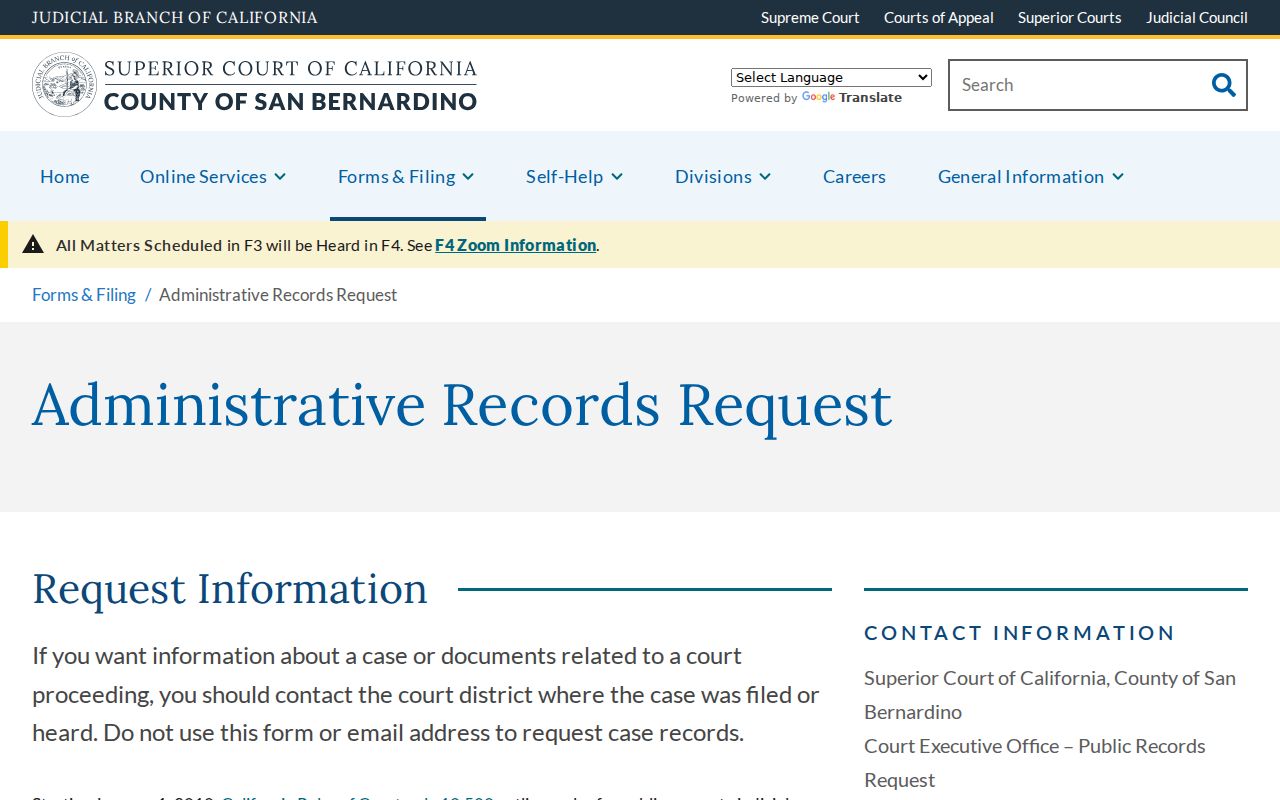
The court administrative channel helps identify the correct route when a CAP result is not the document needed.
Confirming One Chino Resident's Records
Verification means testing a first result against a second keeper, not collecting more names. Write the exact spelling and middle initial. Save the record number, date, city, APN, entity, case type, and relationship. Then ask whether the second source repeats the same fact or merely shares a name.
- Begin with the strongest clue, such as an official filing, case result, known address, or family relationship.
- Check a second record type that has a separate custodian, such as a court result against a deed or business filing.
- Compare dates, roles, place names, former surnames, punctuation, hyphens, and diacritic or unaccented spellings.
- Order the underlying image or certified copy when the index alone cannot answer the question.
- Label the conclusion narrowly: public filing, parcel association, historical listing, or current status returned to the requester.
- Docket
- The court's chronological register of a case's filings, events, and status changes.
- Index versus image
- An index points to a record; the image or certified copy contains the operative text.
- Certified copy
- A custodian-issued copy with a certification that can carry a different legal use from an informational copy.
- Disposition
- The recorded outcome or status of a case, which may not explain every underlying event.
California began accepting specified diacritical marks on vital certificates in 2026. Older indexes may use plain letters. Search both forms, preserve the official spelling in notes, and never infer identity from a surname's appearance.
Chino Business and License Records
Public business and professional systems can confirm a person's public affiliation. The California Secretary of State bizfile Business Search accepts entity name or file number, with advanced filters for grouping, type, status, and initial filing date. Results can show entity number, registration date, standing, jurisdiction, street and mailing addresses, agent, statement due date, and filing PDFs. Recent PDFs are free, while certification uses a separate order process.
The Department of Consumer Affairs license search can take board, license type or number, business name, personal name, city, state, county, and ZIP. A result may show license status, issue and expiration dates, address of record, and public discipline. California ABC's lookup adds licensee, business address, DBA, city, ZIP, county, and census-tract modes. The state UCC search accepts debtor or file number and returns a filing abstract, not a complete personal profile.
These filings support an affiliation or public-contact question. They do not prove that the person owns a house, lives at the mailing address, or remains connected after the last filing date.
The first filing image was captured through California's UCC search.
The UCC view shows why a debtor name, file number, and processing date are narrow anchors rather than a residence claim.
The ABC report source is available through California Alcoholic Beverage Control reports.
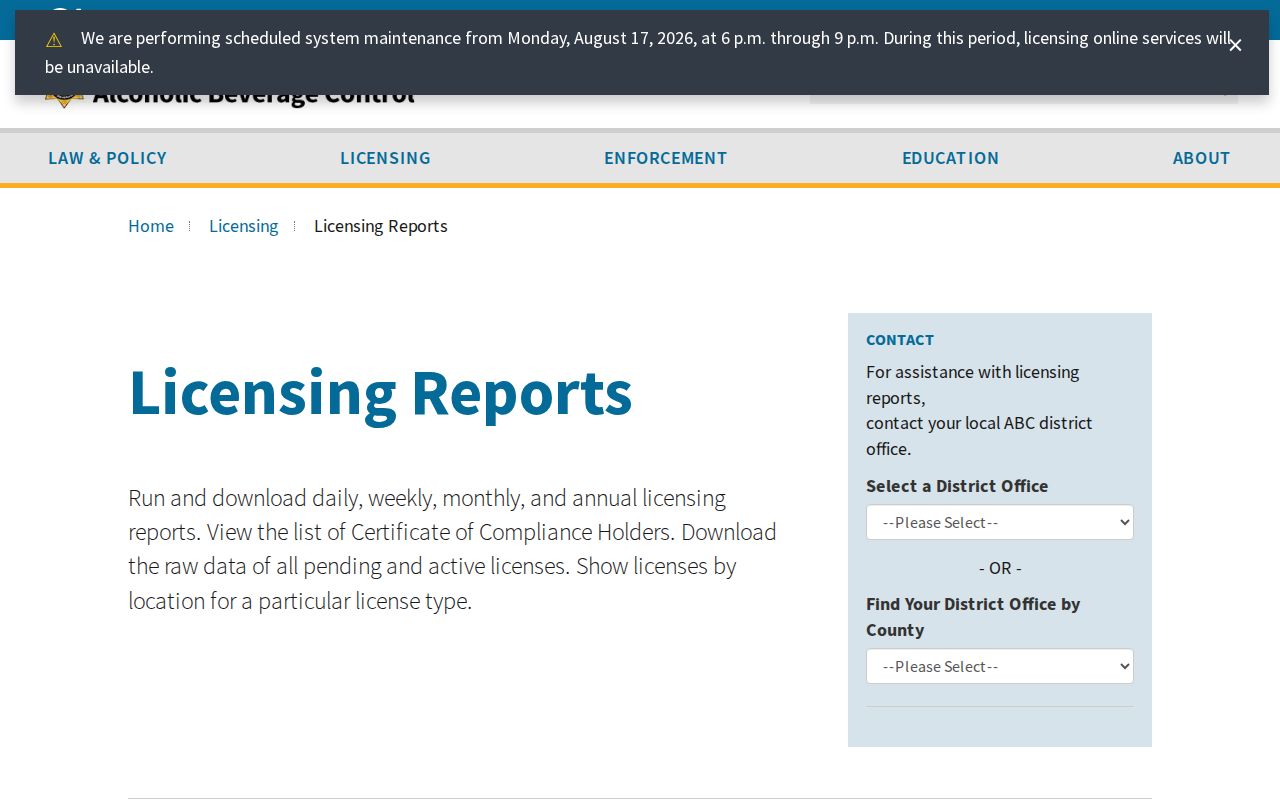
A license report is a dated public filing clue and should be read with the premises and status fields.
The professional and premises-license source captured for this topic is the California ABC license lookup.
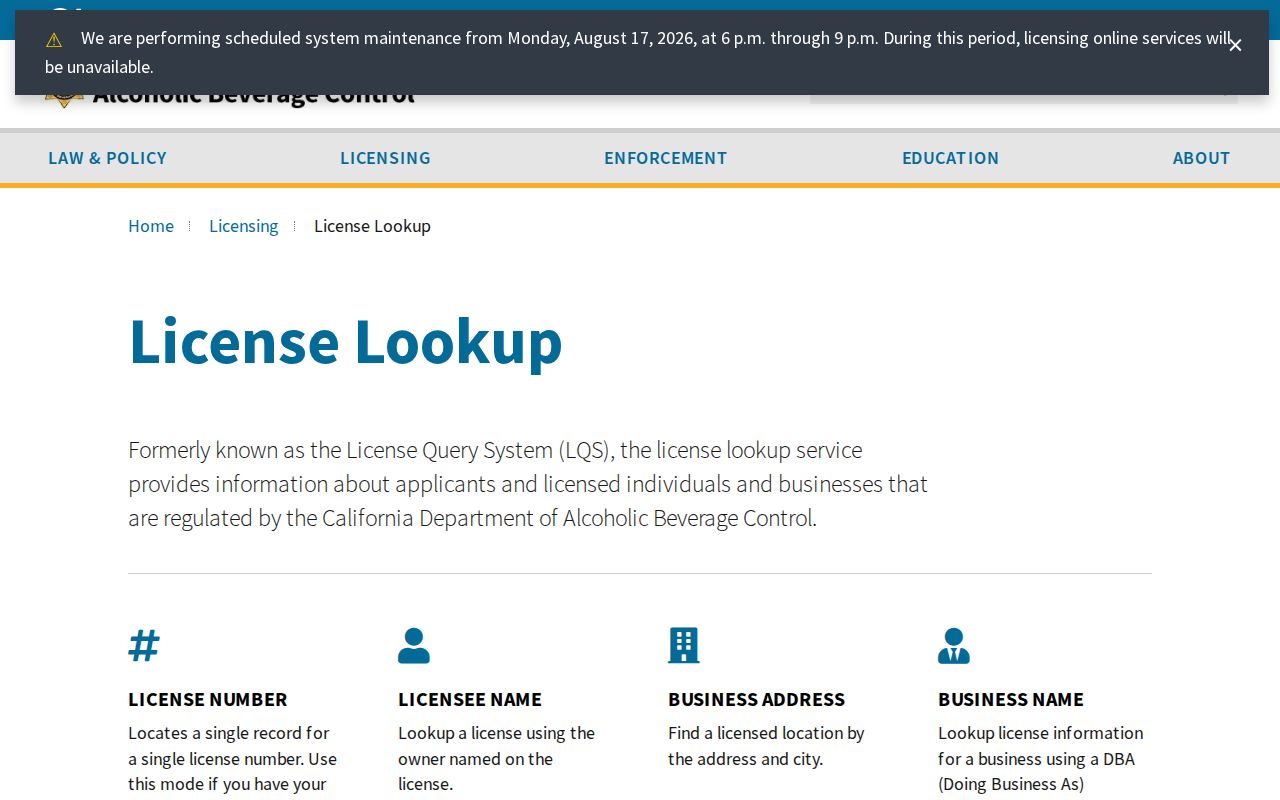
An ABC result can show a public license and premises record, with its own status and date limits.
Chino Lookup Property Limits
County Parcel Access can connect a Chino address with an APN, situs, parcel geometry, characteristics, assessed values, exemptions, and transfer datasets. The assessor warns that its information is not a legal title determination. Government Code §7928.205 also restricts specified owner and address information in electronic or bulk contexts. Use the map to derive a parcel clue, then use the recorder for title evidence.
The County Assessor property-information page is free to inspect. A mailing address may differ from the physical situs. A recorded grantee is a party to an instrument at a date. Neither statement proves who occupies the address today. A resident lookup should say “associated with the parcel” unless a separate record supports a narrower statement.
Older homes and agricultural parcels may need a legal description, subdivision map, or Sanborn sheet. Modern planned communities can add tract, lot, permit, HOA, or community-facility context. Those bridge records are useful for a date and place, not for exposing private household details.
The privacy source used for the lookup topic is the California privacy rights page.
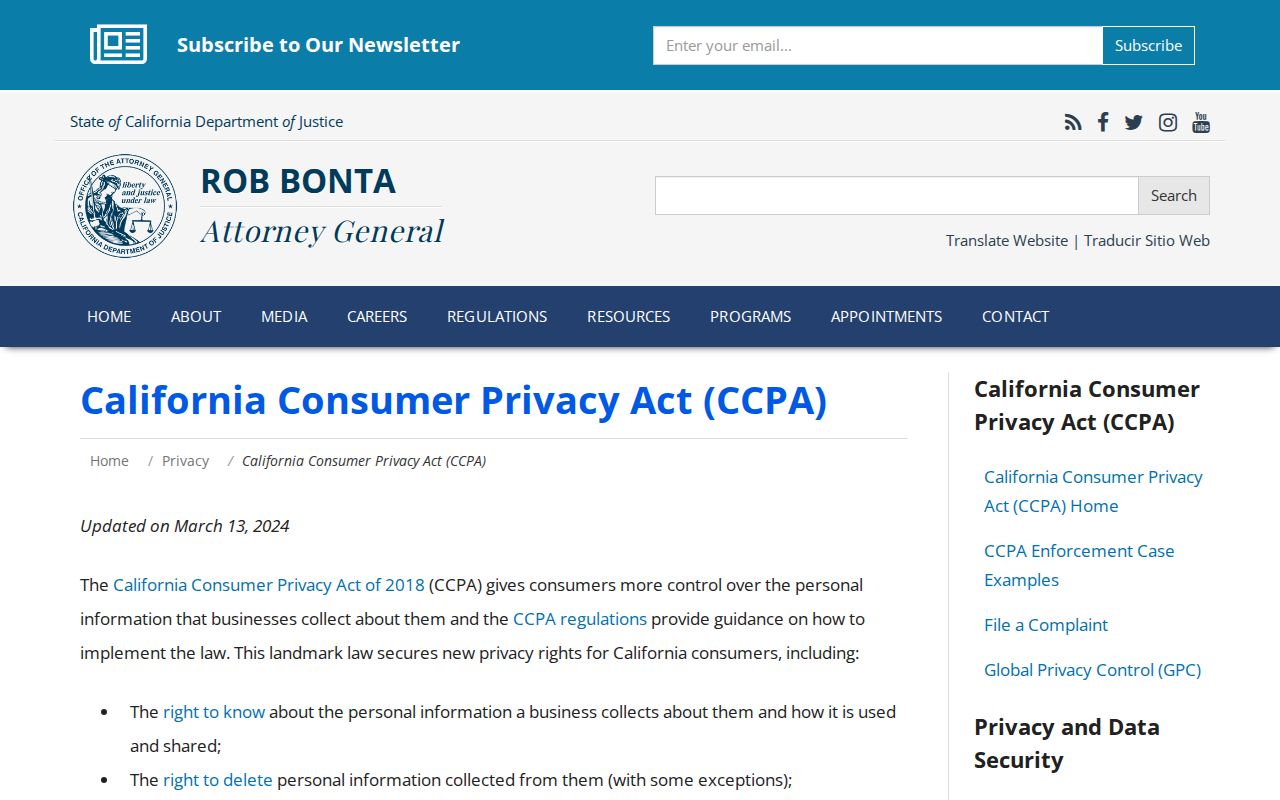
California privacy guidance helps separate a public filing from personal data that a source is not allowed to expose.
Chino Probate Records for an Heir
Probate can answer a family-history question when a person, address, or estate needs a documented bridge. CAP probate results may show case type, filing date, status, court location, judicial officer, parties, events, hearings, documents, and financial tabs. The court's verified guide uses the Estate of Jaime Augusto Menzel example and shows public notes with officer, hearing, case, parties, counsel, and note status or text. A petition or decree remains stronger than a directory inference.
Pair the probate case with the recorder's grantor and grantee index. A later deed can show a transfer, while an obituary can explain a family relationship or last community. Addresses may be redacted, sealed filings may be absent, and not every heir is a present resident. Use the filing district for copies, certification, or questions about a specific record.
For family-history work, the lawful chain is person or address, court case, document, named relationship, deed or obituary, then a current record only if the record itself supports the conclusion.
The federal alternative for a different jurisdiction is PACER, whose search and page charges differ from county court access.
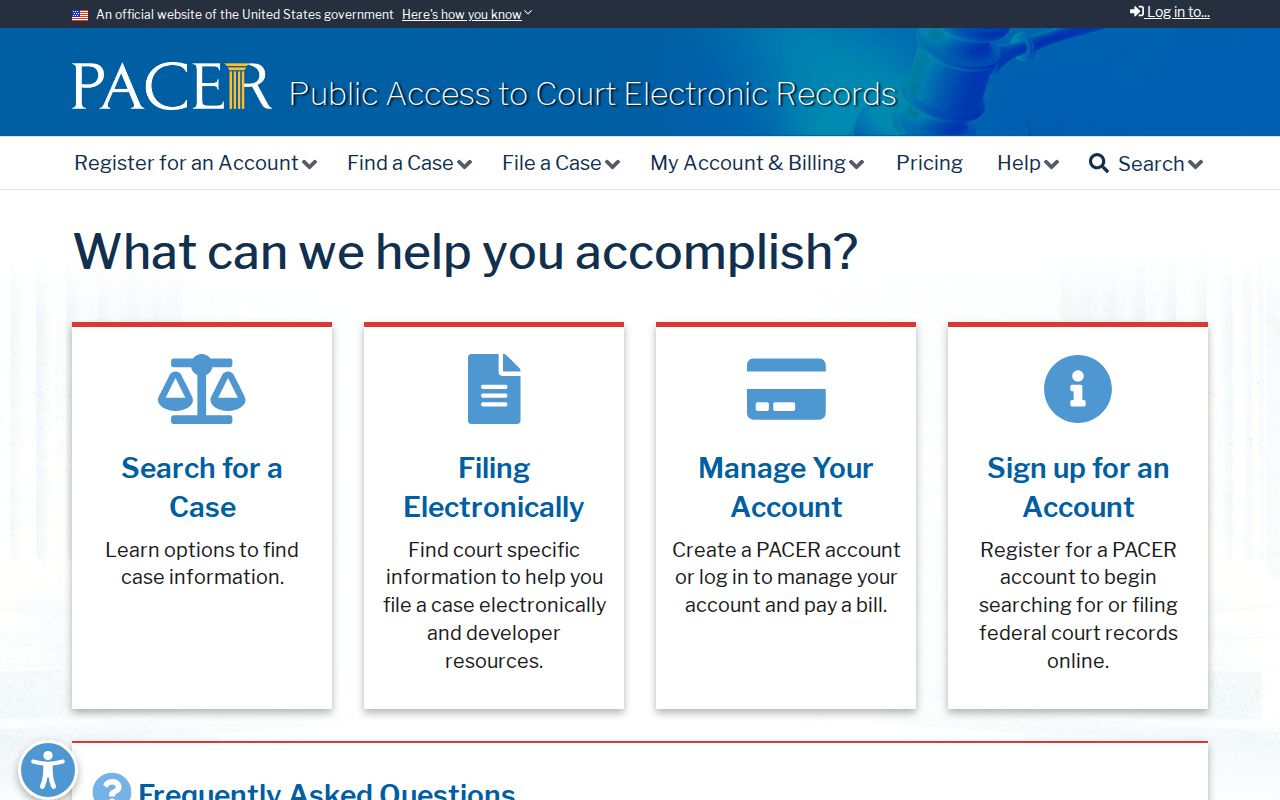
Federal court access is a separate trail and should never be mixed with a San Bernardino CAP result.
Chino Vital Records and Adoption
San Bernardino ARC and CDPH provide birth, death, marriage, and divorce services, but California does not offer one unrestricted modern name index. Authorized and informational copies differ. Birth and death authorized copies are limited to statutory categories under Health and Safety Code §§103526 and 103526.5. An informational copy is marked not valid to establish identity. Confidential marriages are limited by Family Code §509, and adoption records are sealed.
County and state fees differ. The build research records CDPH fees of $31 for birth, $26 for death, $19 for marriage, and $18 for dissolution, while county fees are $34 birth, $26 death, and $19 marriage. Use the official application, relationship category, sworn statement, and notary instructions. A no-record search can produce a Certificate of No Public Record while retaining the search fee.
For a birth-parent search, use California's authorized adoption services and contact process. Do not use a resident lookup to bypass a sealed record. For a death or family-history question, newspapers, cemeteries, probate, and church registers can be leads while the certificate remains the authoritative event record.
The California vital-records service page is the correct ordering route.
Chino Voter Lookup Boundaries
California My Voter Status authenticates the requester and returns that person's registration status, party preference, address or status information as the current form allows, and election information. It is not a public name browse. San Bernardino County voter-file access requires a completely filled application, original wet signature, identity verification, permitted purpose, and agreement to restrictions.
Elections Code §2194 limits voter-file disclosure to election, scholarly, journalistic, political, or governmental purposes. Government Code §7924.000 keeps home street address, phone, email, precinct identifiers, prior registration, identification numbers, and signatures confidential except through that controlled process. A county file can use geographic scope, election history, or delivery options, but it is not a casual Chino resident lookup.
The county voter-records application source is the San Bernardino County voter-records page.
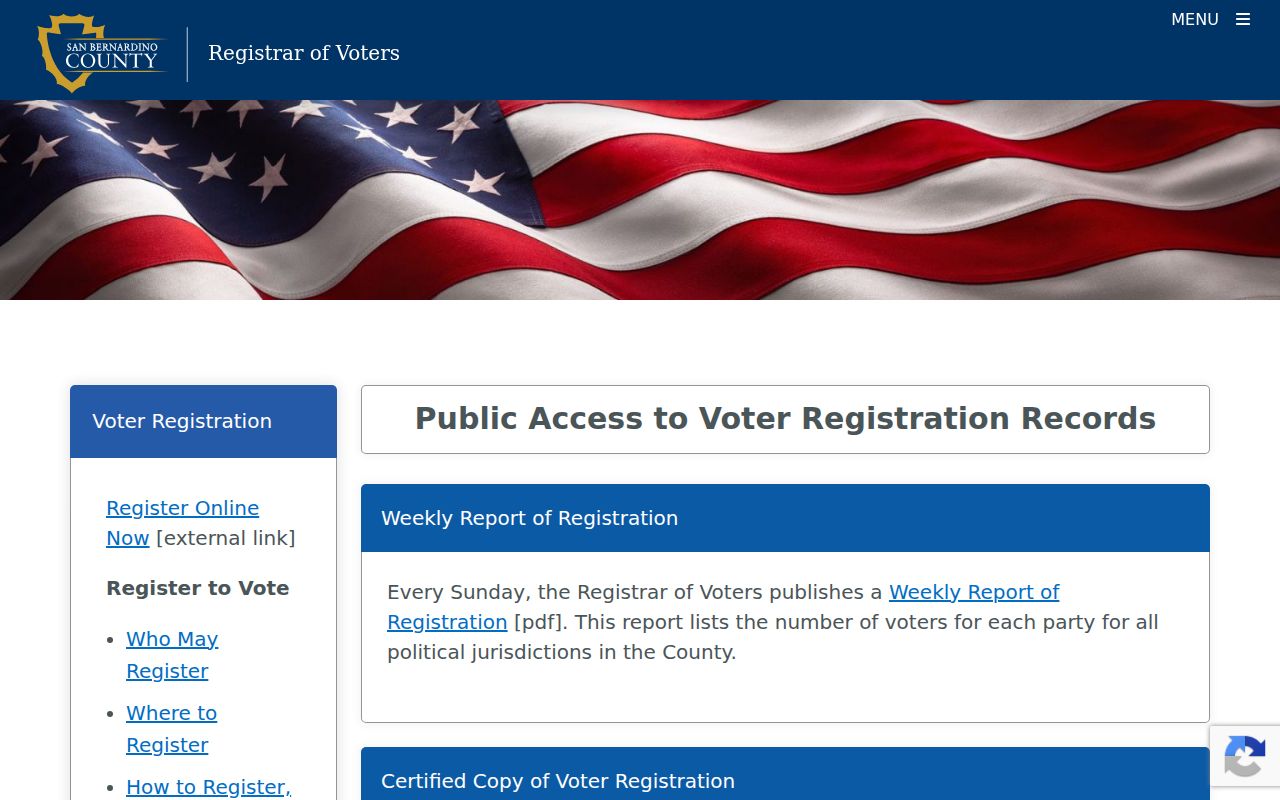
The application route is separate from the identity-gated status form and has its own purpose and fee rules.
California's voter confidentiality law is linked through the Government Code text.
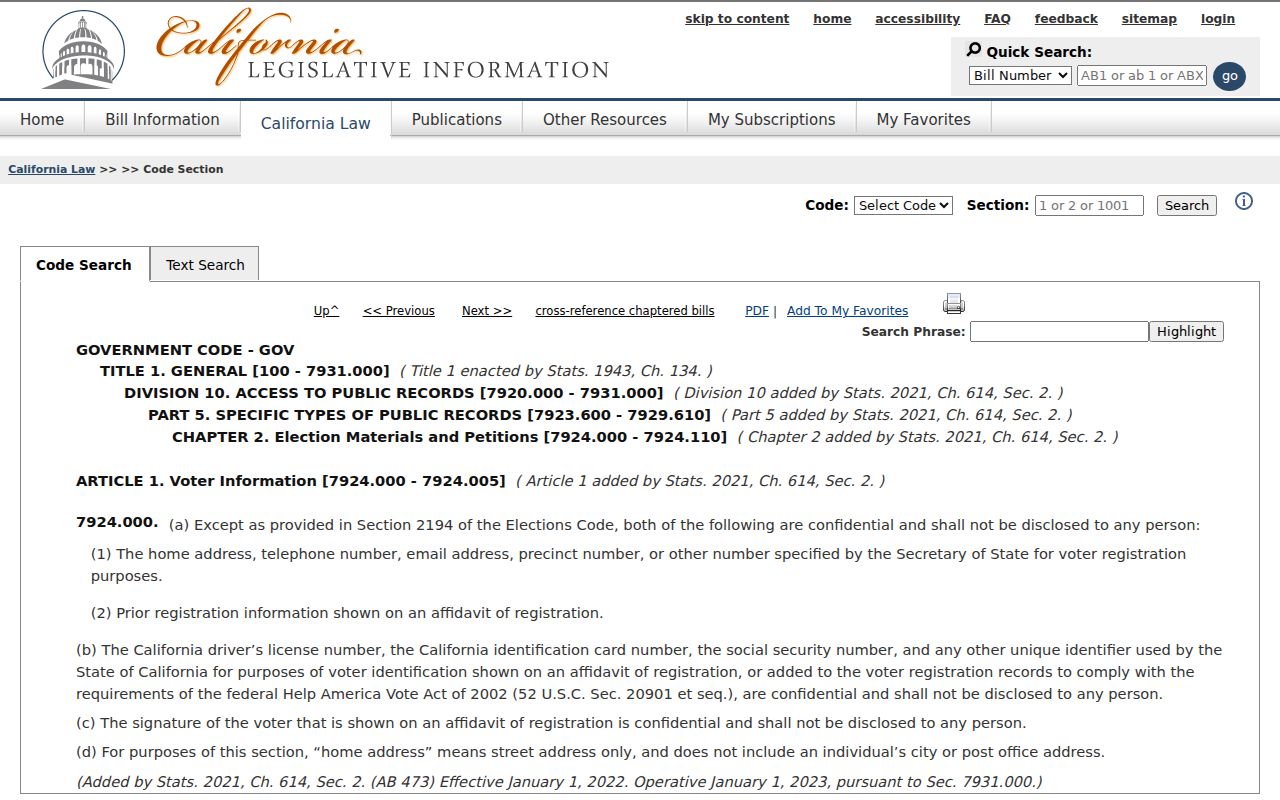
Protected fields explain why a public status check cannot become a street-level list.
Chino Privacy Programs and Lookup Limits
Safe at Home gives eligible participants a substitute mailing address, mail forwarding, service-of-process agent, and confidential voter registration. The Secretary of State program does not erase old records, but Government Code §§6205-6211 can change what a new search reveals. The FAQ explains eligibility and substitute-address use. A missing address can therefore reflect lawful protection rather than a bad search.
The California Consumer Privacy Act and California Privacy Rights Act provide qualifying consumers rights to know, delete, correct, and opt out in covered business contexts. The DROP portal launched January 1, 2026 for data-broker deletion requests. It does not delete government source records. Ask the originating custodian about correction or redaction instead.
The captured Safe at Home program page is the Secretary of State Safe at Home service.
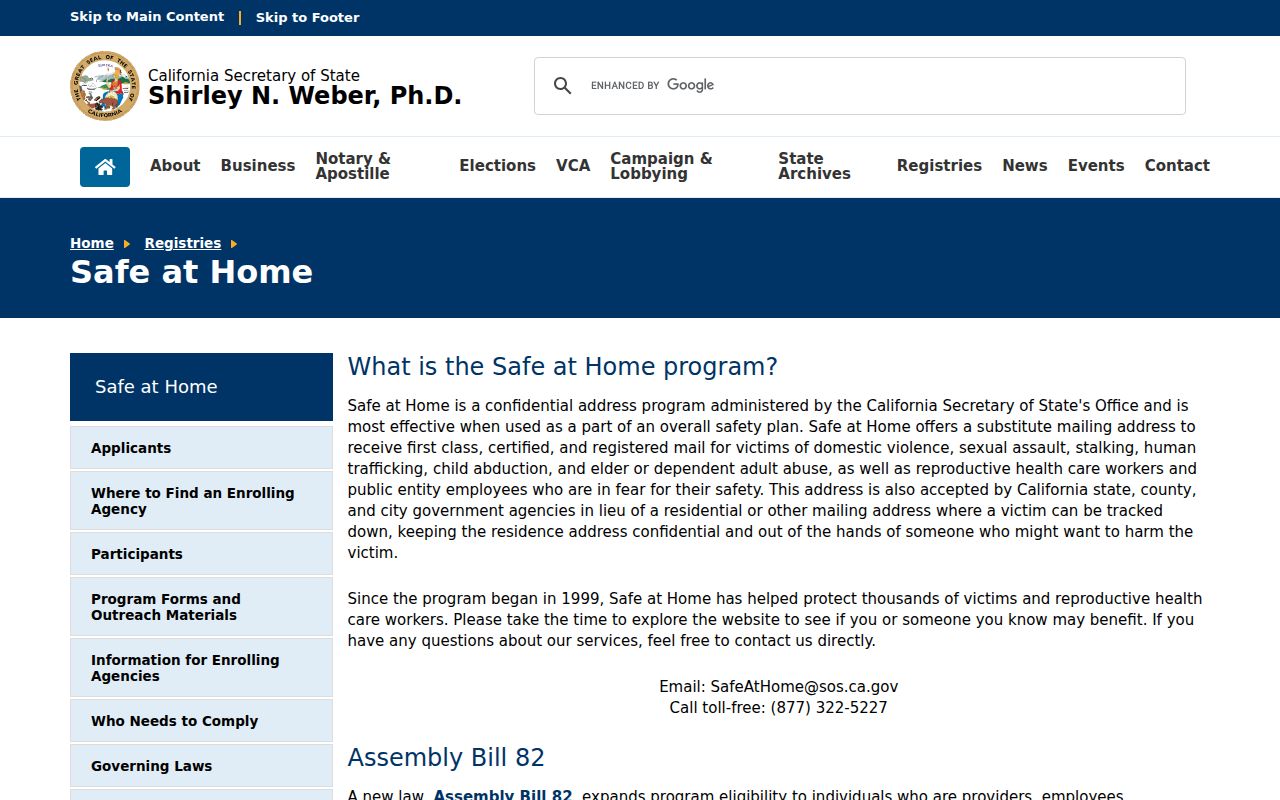
A substitute-address program is a lawful dead end for a public search, not an invitation to look for a hidden address.
The program's question-and-answer route is the Safe at Home FAQ.
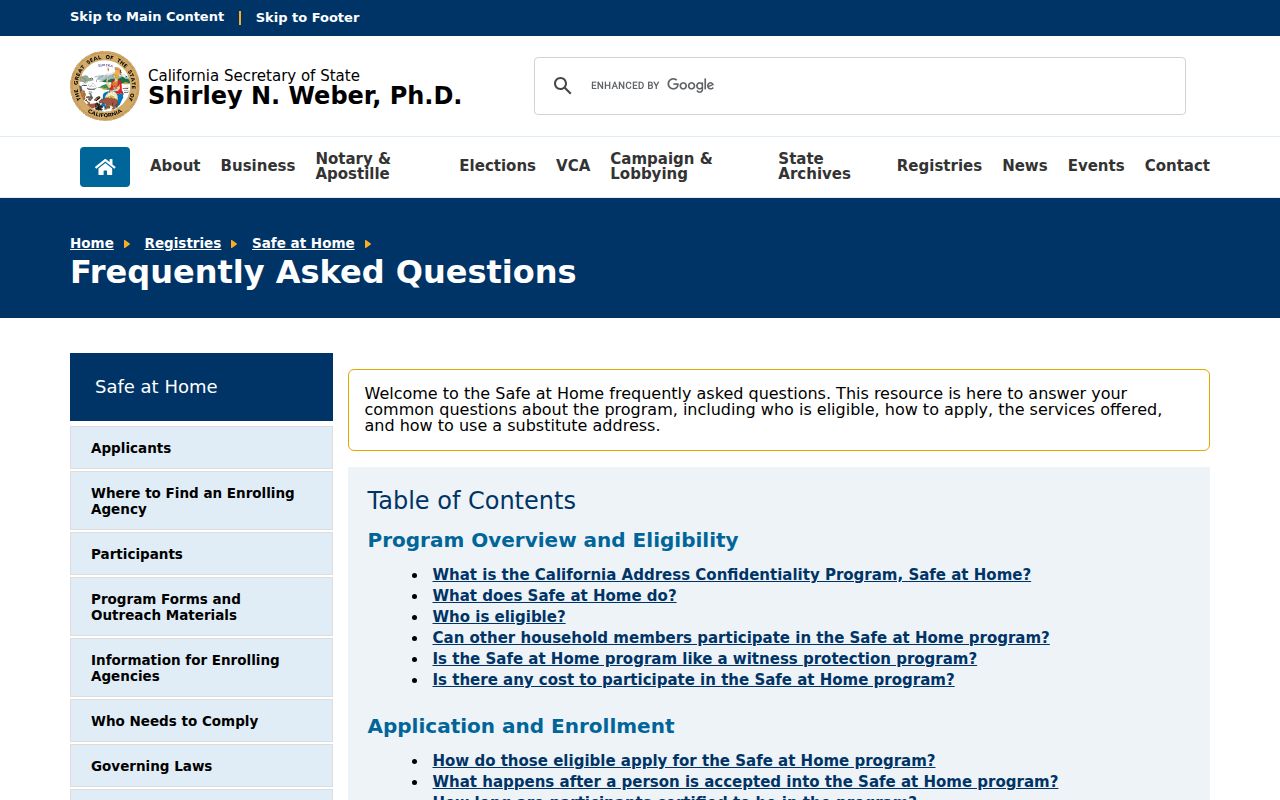
Use the program's eligibility and service rules rather than relying on an informal privacy claim.
The state deletion portal is represented by the California DROP source capture.
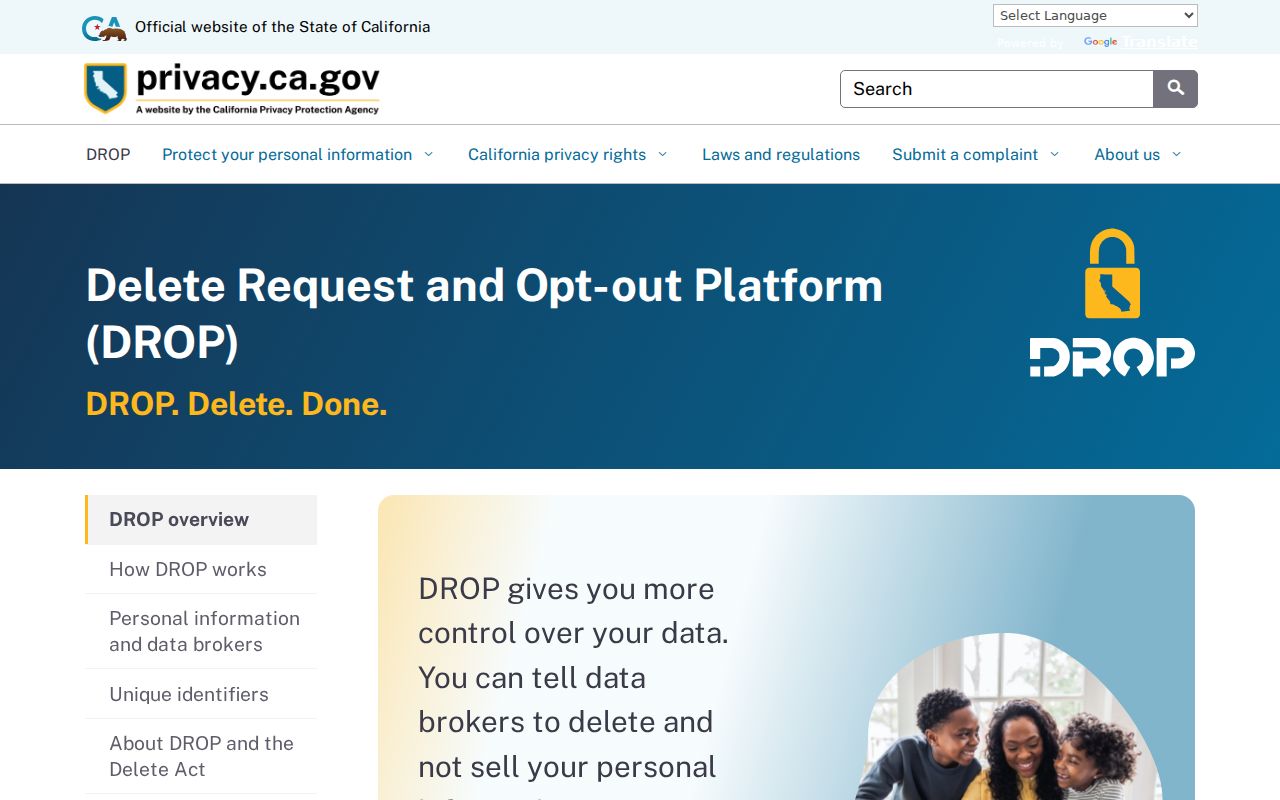
Data-broker deletion affects covered commercial holders, not the county, court, or city source record.
Order the Chino Record Behind an Index
An index is often enough to find a record number, but not enough to resolve a same-name question. The recorder offers non-certified images by email order, certified copies by shipment, mail requests, and public counter access at the Hall of Records or High Desert Government Center. The court uses a copy request form with printed-side, search-time, certification, and exemplification charges shown on the form. Vital records use separate copy and eligibility rules.
State and county records offices also have phone channels. ARC numbers include 909-387-8306 for recorder-clerk vital services, 909-387-8307 for assessment questions, and 909-387-8300 for elections. A clerk can explain where a file is held and how to order it, but will not research a person's identity or disclose a confidential record.
Preserve the source URL, record number, query date, and copy type when a lookup becomes part of family or estate research.
Chino Resident Privacy Protections
A Chino resident lookup is for a defined personal, family-history, civic, or records question. California stalking law, criminal-threat law, harassment restraining-order rules, voter-file limits, DPPA restrictions, sealed files, and Safe at Home protections all narrow what a searcher may do with a name or address. A public result is not permission to follow, threaten, expose, or intimidate anyone.
When a result is wrong, return to the custodian. Preserve both the mistaken record and the facts that disprove the match. Ask for the correction path. Commercial data compilations can lag or merge names, and a paid result is not stronger than a dated official record.
Note: A precise, narrow conclusion is more reliable than a broad profile assembled from unrelated records.